Street View is a context tool, not a property inspection
Use street imagery to form better questions about access and surroundings without confusing old area imagery with current unit condition.
· Remote Buying · 5 min read
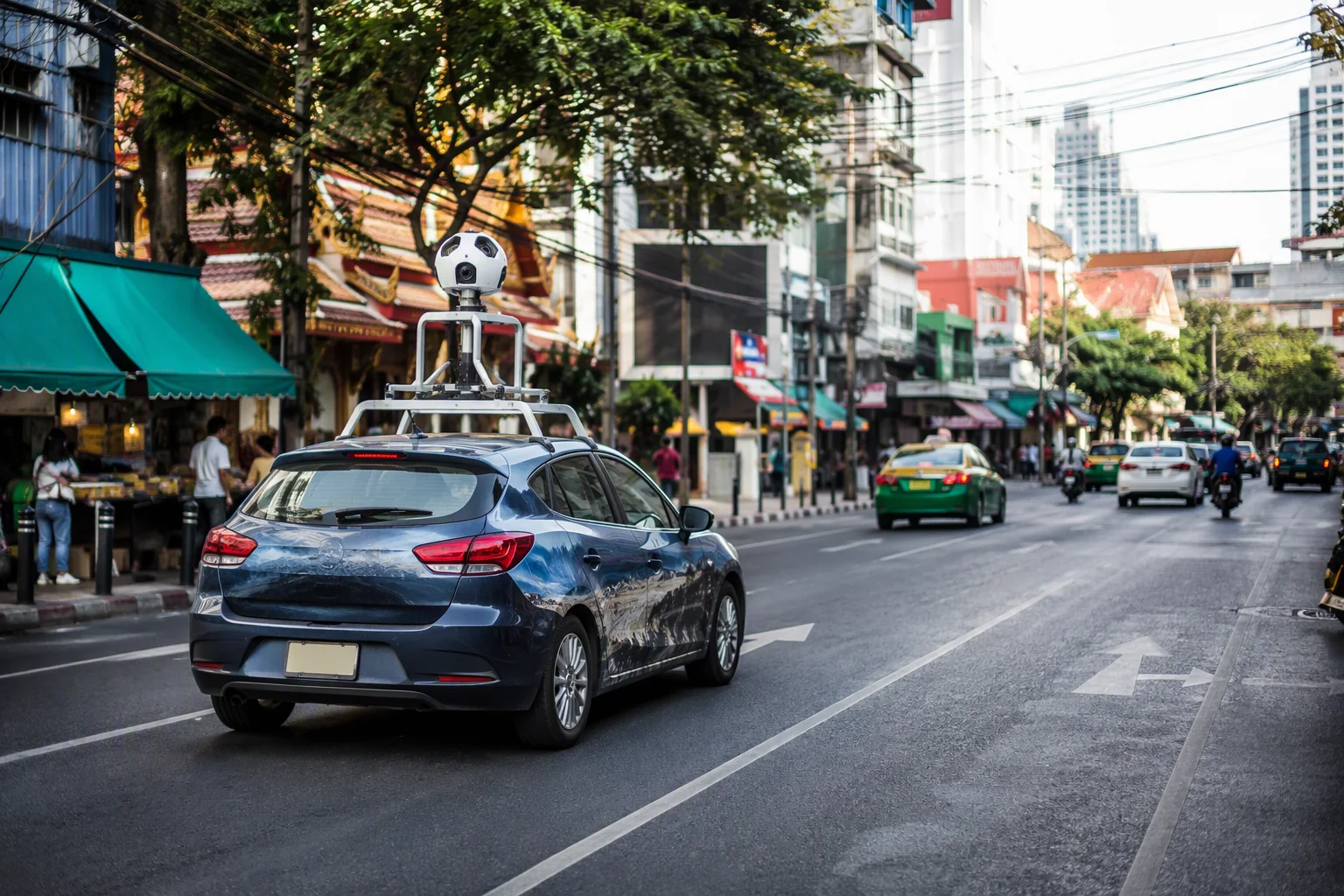
Check the pin before interpreting the panorama
A building-level coordinate, an area centroid and an approximate marketing pin produce different levels of confidence. Before using Street View, establish where the camera is likely to be and what the pin represents. If only an area-level location is known, the panorama can illustrate that area but cannot establish the building’s immediate frontage.
Use the exact-location filter — Separate building-level matches from area-level research records.
Look for questions, not verdicts
Street imagery can prompt useful questions about entrances, slopes, nearby construction, road width, walkways and the relationship between the building and its surroundings. Imagery may be old, seasonally unrepresentative or unavailable on private roads. It cannot tell you whether a unit has water damage, whether a view is now obstructed or whether building management is effective.
- Note the imagery date when the provider exposes it.
- Compare more than one approach to the building.
- Ask for a current live walkthrough of the arrival route.
- Commission independent physical work when the decision requires it.
Keep the roles separate
The agent’s live video call, a licensed inspector’s report and a buyer’s Street View exploration are three different evidence types. Keeping them separate prevents a convenient remote workflow from becoming an unjustified confidence claim. Record who captured each artifact, when, where and under which instructions.
Open the evidence checklist — Turn context observations into structured follow-up questions.